The Treshnish Islands, of which Lunga is by far the most accessible, now belong to the National Trust for Scotland and are a Site of Special Scientific Interest (SSSI). These days there is also certainly a lot of interest from tourist boats coming and going to Lunga. And a lof of visiting boats, not just yachts but ribs and all sorts. Ideally anchor off Lunga overnight when you should have the place mostly to yourself (or tucked away amongst some of the other islands if even overnight is too crowded). The anchorage is not as exposed as it looks, and is fine even if a gale is blowing, provided it comes from the west. If you are bothered, escape across to Gometra. McLintock got it right in 1938: "Our anchorage was a most intriguing place, surrounded on all sides by islands and barren rocks" (West Coast Cruising. John McLintock, Blackie and Son, London and Glasgow, 1938).
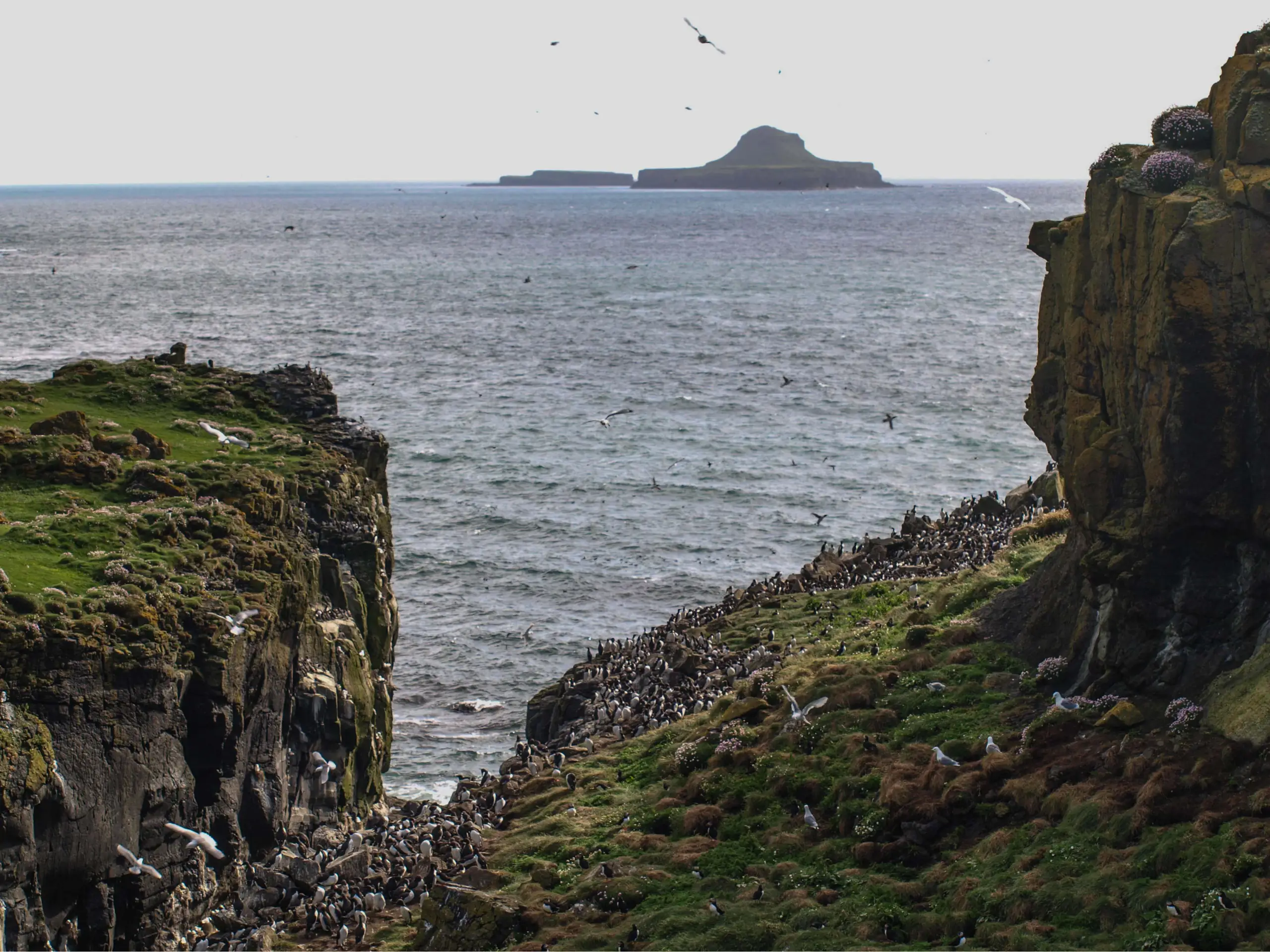
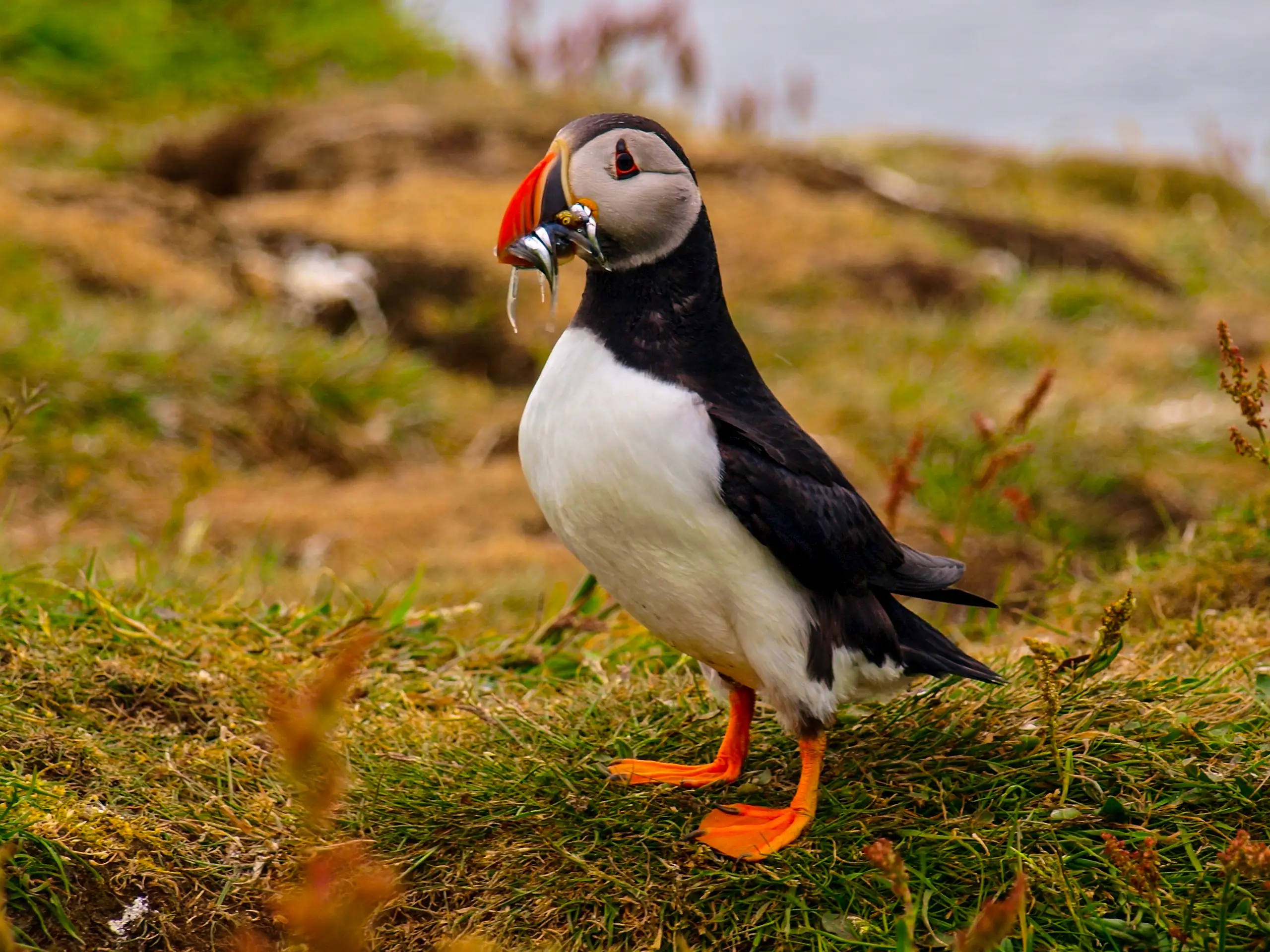
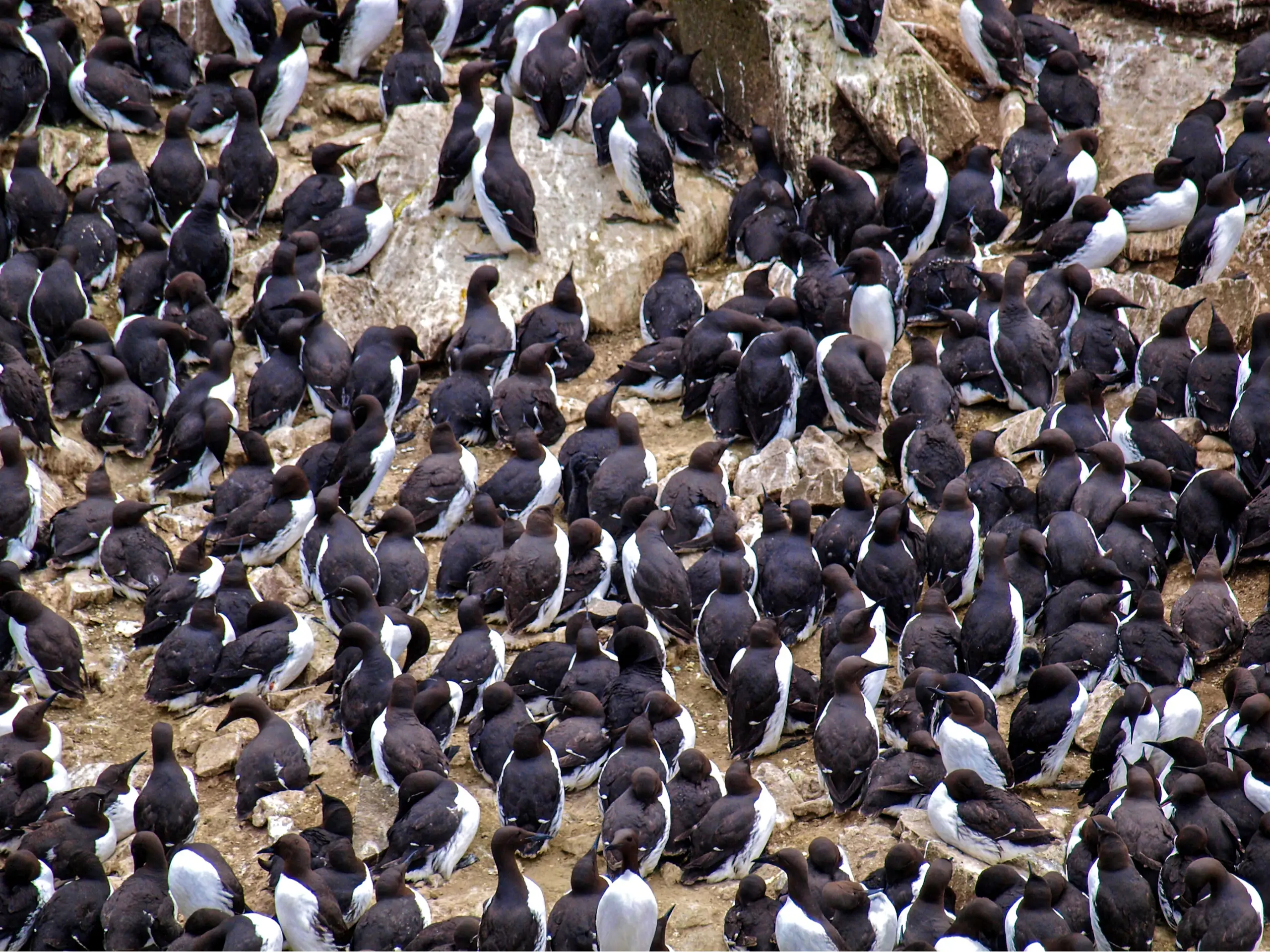
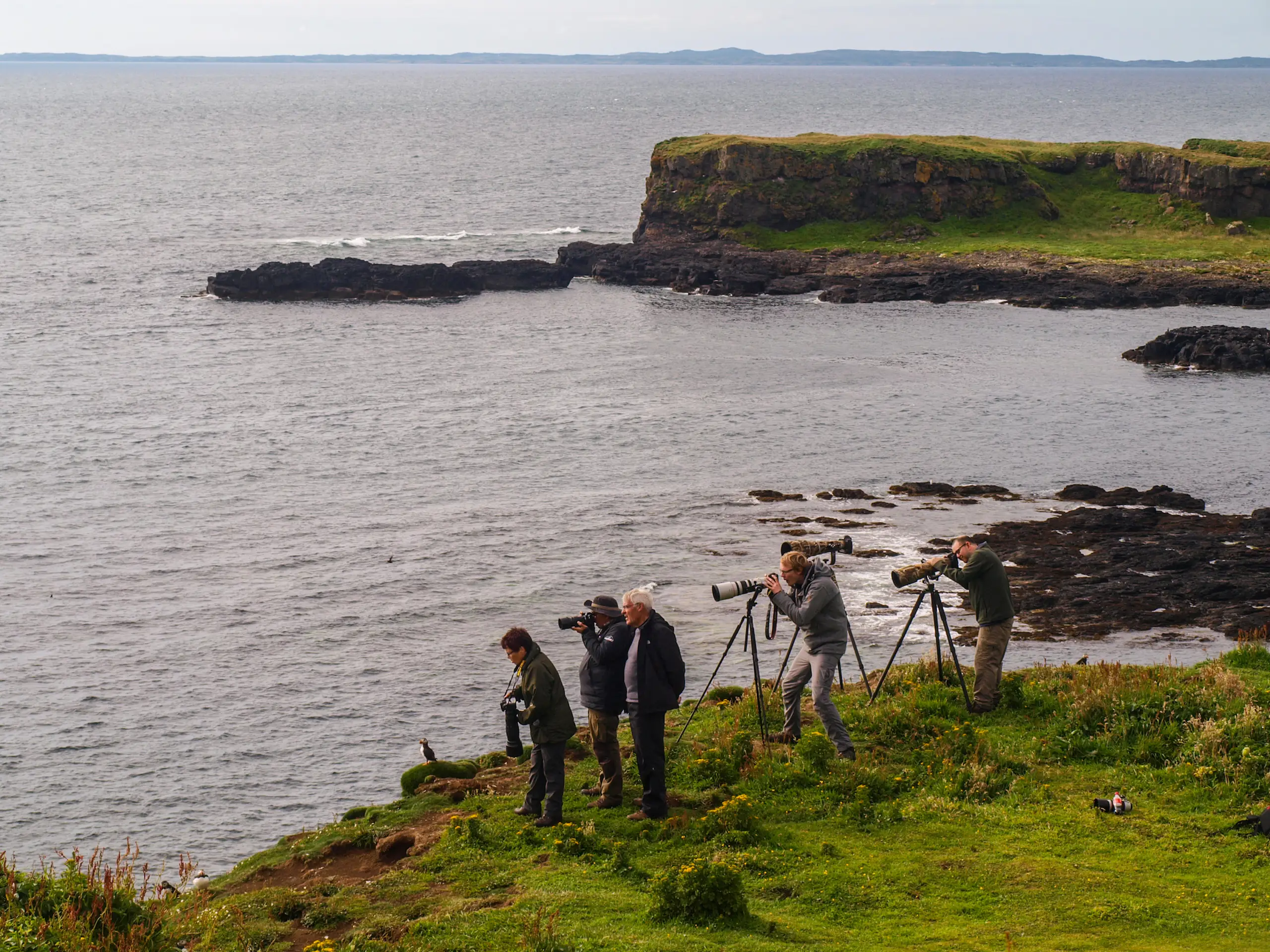
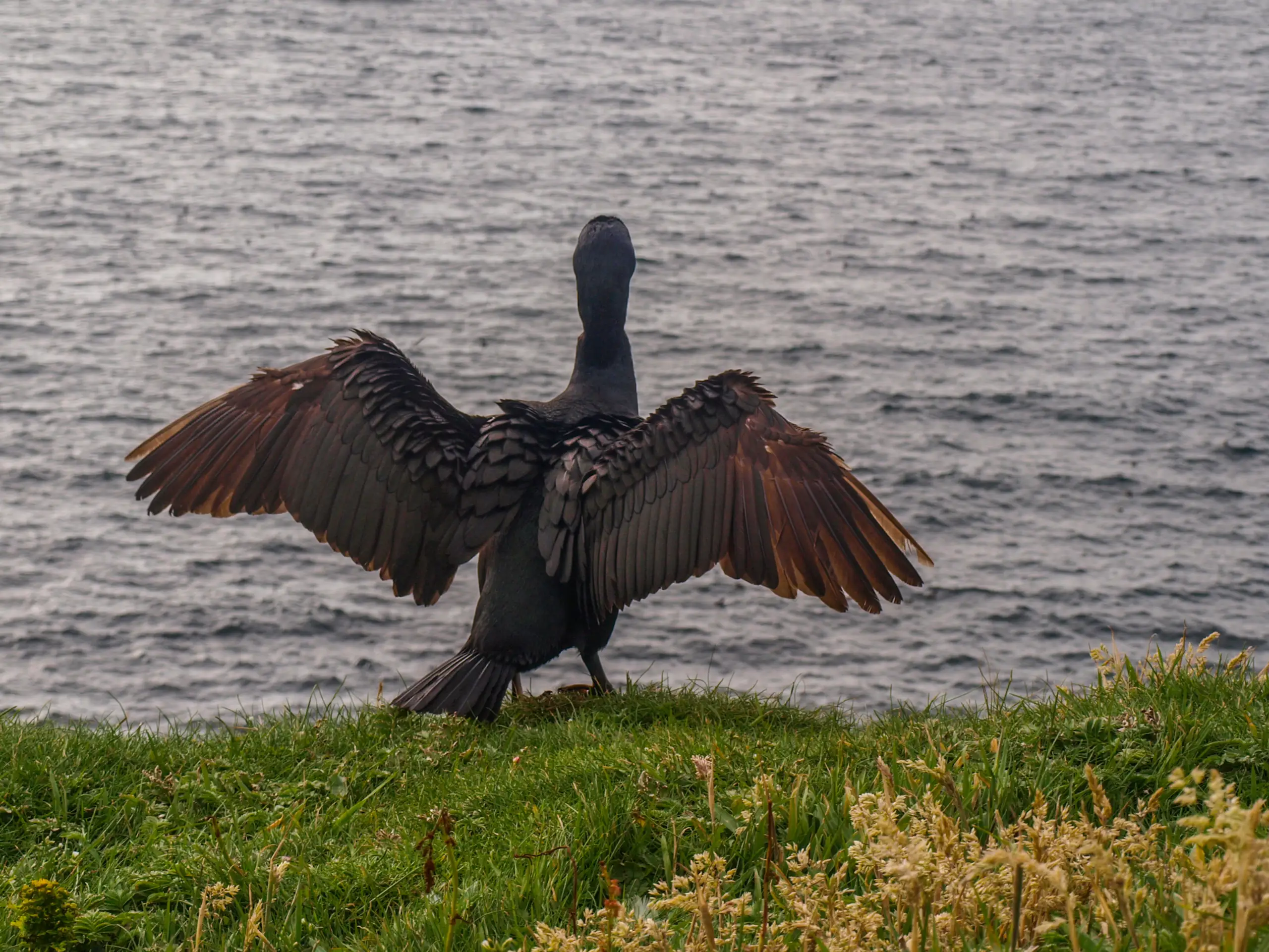
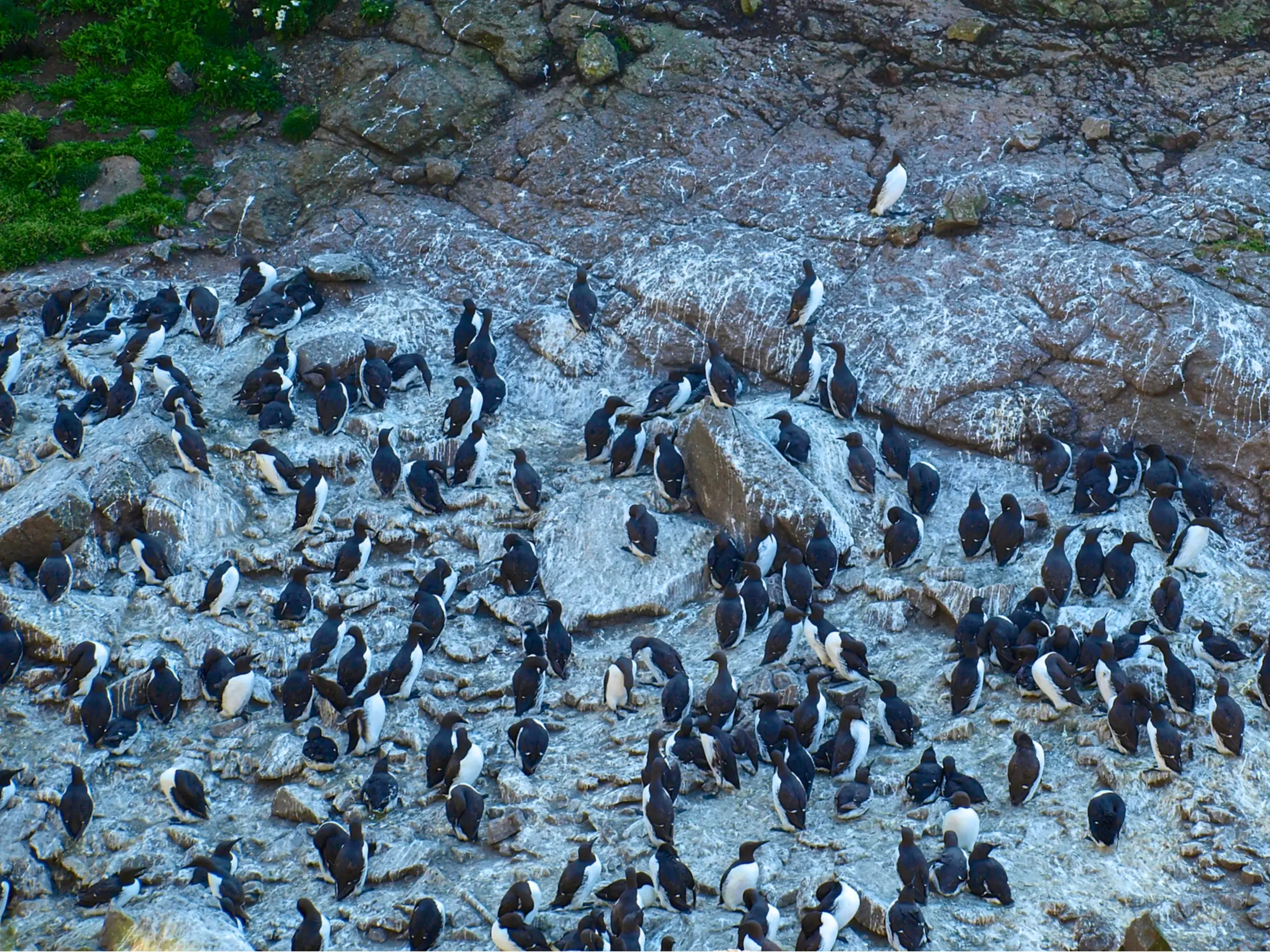
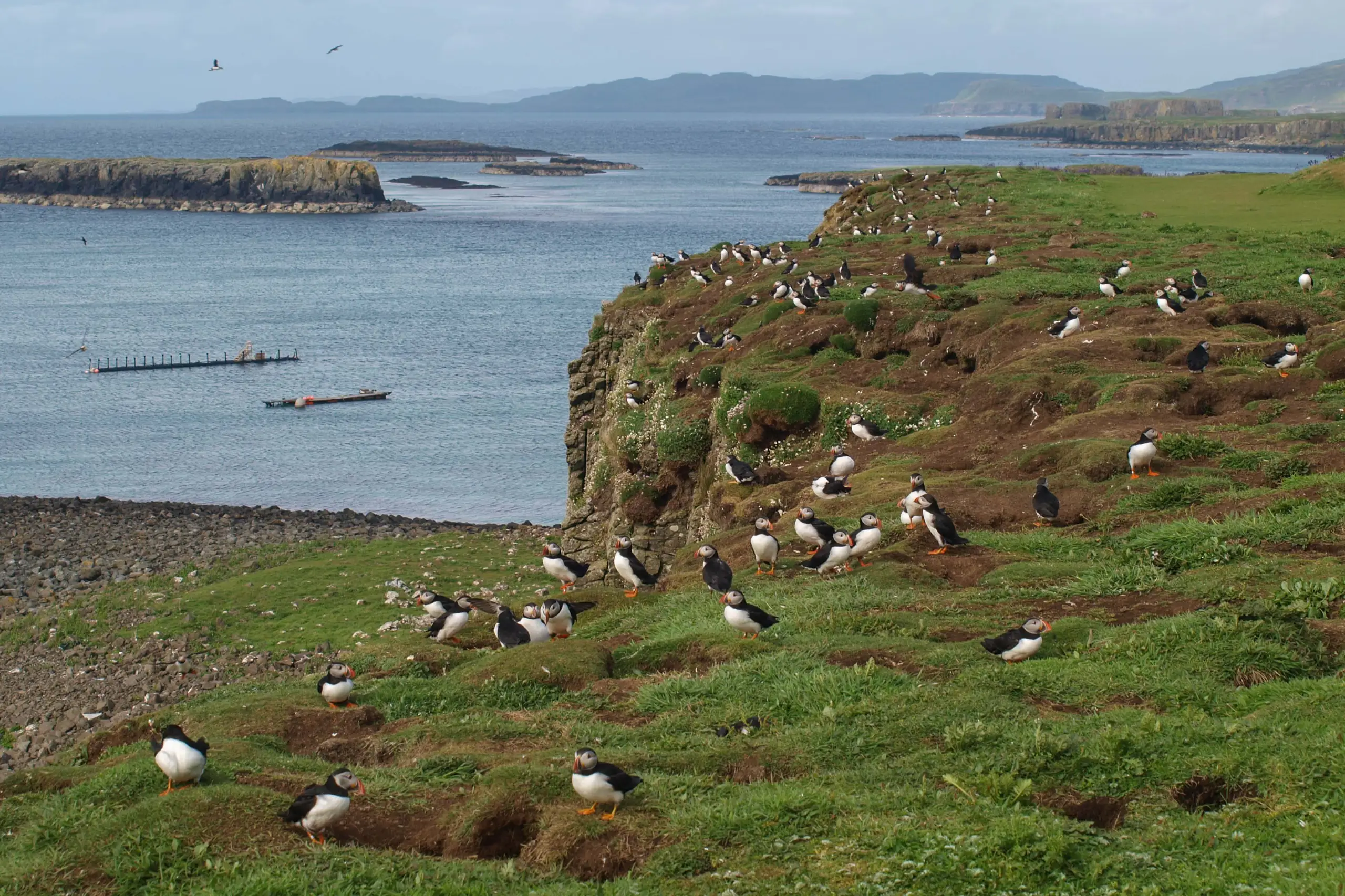
The Harp rock, only 15-20 minutes walk away, is by far the best seabird-nesting cliff for viewing in the whole area, it is spectacular. Hang on to any small children, the path is narrow in places. Take binoculars to look at the thousands of guillemots, razorbills and kittiwakes that nest there, plus some fulmars too. And a camera. Lie on the cliffs and look down at the auks swimming in the clear water. And on the way you cannot miss the incredibly tame puffins nesting on the edge of the cliffs, and the shags snapping at you from their nests beside the path. More difficult to track down are the storm petrels which fly in after dark to their nests amongst the stones on the beach. I believe that Manx shearwaters also nest hereabouts, again only coming in at night.
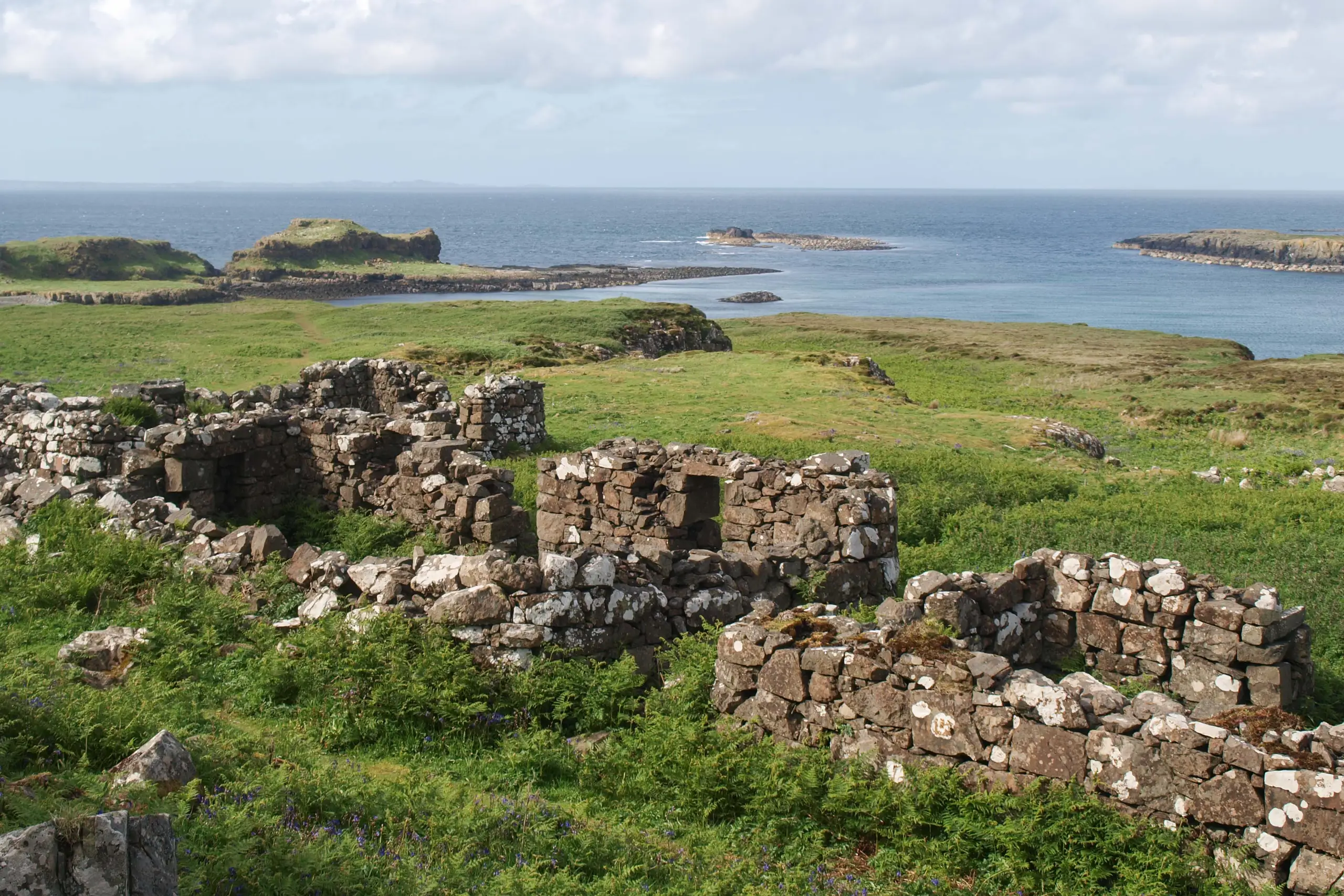
It is difficult to imagine, but 20 people apparently lived on Lunga 200 years ago, the last one left in the mid-19th century. And there, just above the cliff with all the puffins, are the remains of seven roofless black houses, some probably full height. They are easy to miss if, like me, you have been obsessed with looking at all the puffins on every visit. But where is the well that must have been here to supply the islanders with water?
Lunga was made famous by the ecologist Frank Fraser Darling (1903-1979) in his book 'Island Years' (1940). He camped here with his wife and young child for several months.