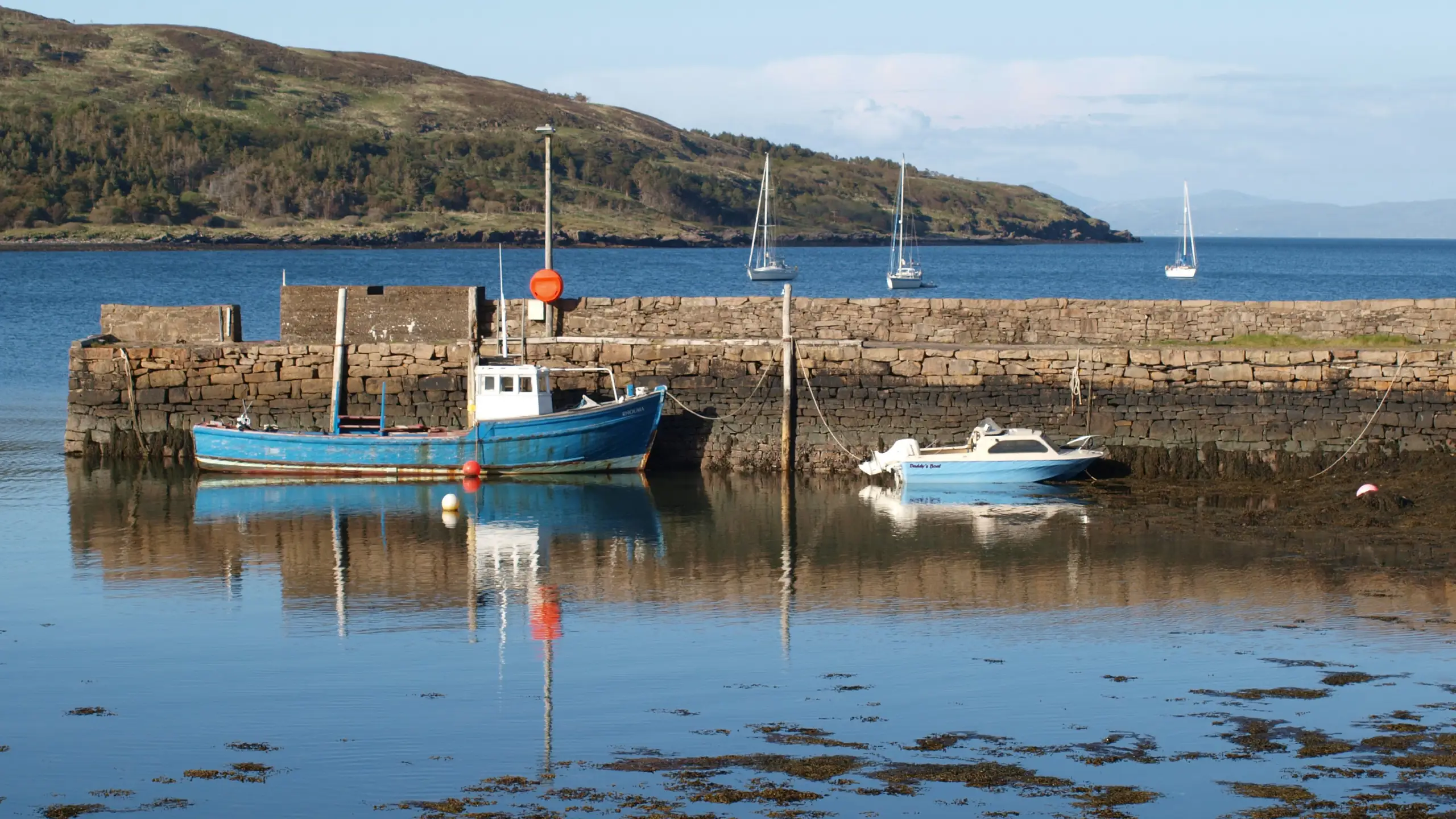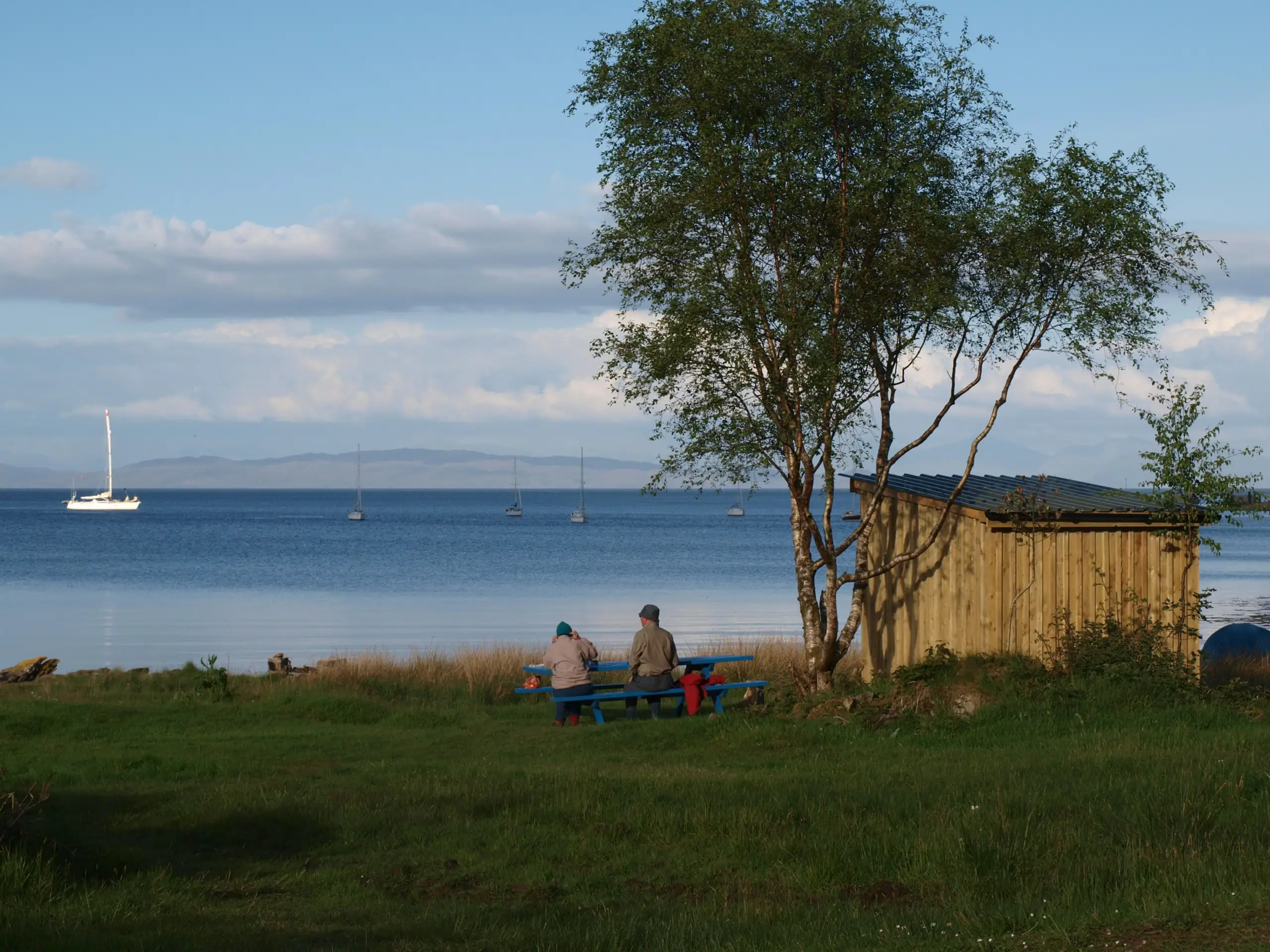
Personally I have always found Rum rather dark, daunting and gloomy, maybe because it just is dark, daunting and gloomy (in contrast, the island website is quite the opposite). Walter Scott clearly felt much the same in 1814 when he landed as a guest of the Commissioners of Northern Lights from their lighthouse yacht, Pharos "Rum is rude, barren and mountainous" (The Voyage of the Pharos, Walter Scott’s Cruise Around Scotland in 1814. Walter Scott, Scottish Library Association, Hamilton, 1998). To my mind, the anchorage in Loch Scresort is too open, the newish pier is a blot on the landscape, the row to the shore too far, and the midges on land are vicious. And somewhere lurking in the loch is a very large chassis which we once found with our anchor circa 1978, another minus point. To compound matters, the island seems to catch all the cloud and rain on the prevailing wind, unlike Canna from where you can see Rum so often enveloped in cloud. In 2019, 10 visitor moorings appeared, so no need to anchor if you can't be bothered. In 2025 the island was designated a Dark Sky Sanctuary but unless you are sailing in the winter you won't fully appreciate it.
The local population were horribly exploited by the lairds in the 19th and early 20th centuries, which you can read all about in 'Bare Feet and Tackety Boots' (Bare Feet and Tackety Boots, a boyhood on Rhum. Archie Cameron, Luath Press, Ayrshire, 1988). Later, in the 1930s, John McLintock complained that "Unless you are a deer you are not welcome" (West Coast Cruising. John McLintock, Blackie and Son, London and Glasgow, 1938). For a long time it was known as the 'forbidden island'. None of the 30-40 present-day residents are indigenous, and they are all, or almost all, employees of Nature Scotland (previously the Nature Conservancy Council and then Scottish Natural Heritage, curiously now badging itself as NatureScot) who have owned and managed the island as a nature reserve since 1957 (which of course is good if you are into nature, sea eagles and all of that). The land round the village is now in community ownership, the result of which has been the opening of a 20-person bunkhouse in 2014, then cabins, a heritage centre with gift shop, and a rejuvenated general store and village hall. Not surprisingly, the Isle of Rum Community Trust is trying to attract more people to live on the island in the new houses that are being built, and so increase its viability (at the moment there are only five children in the primary school).
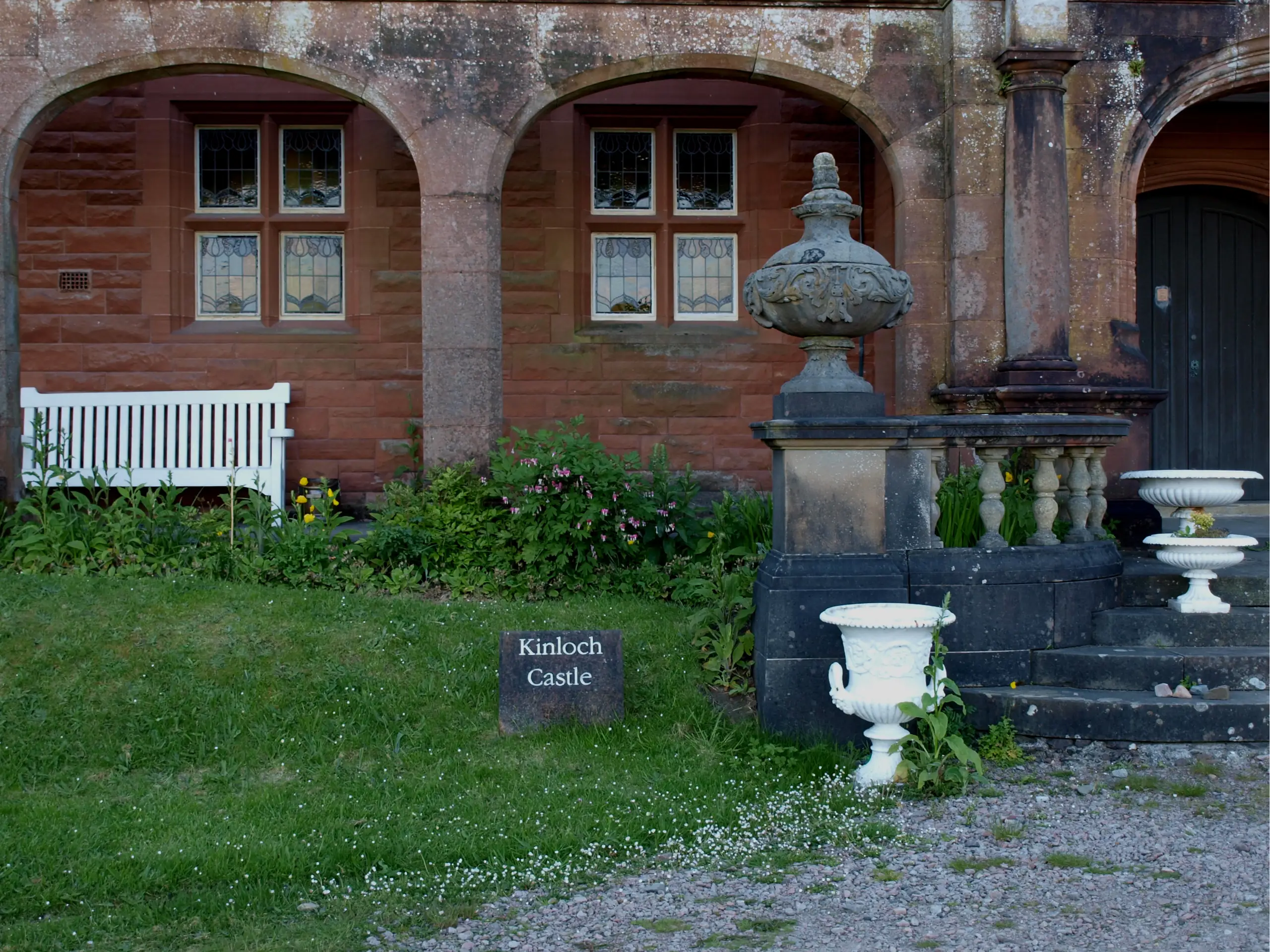
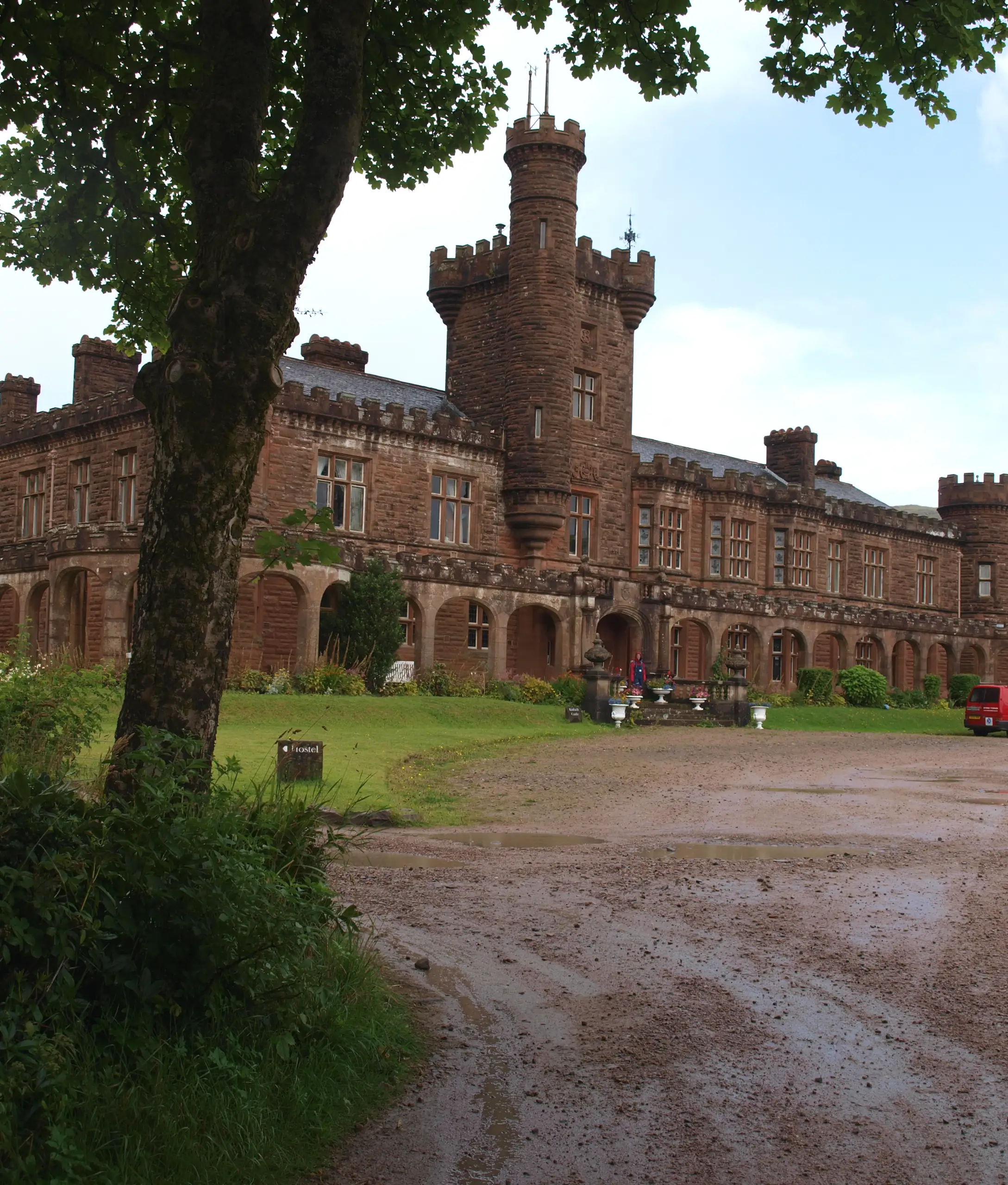
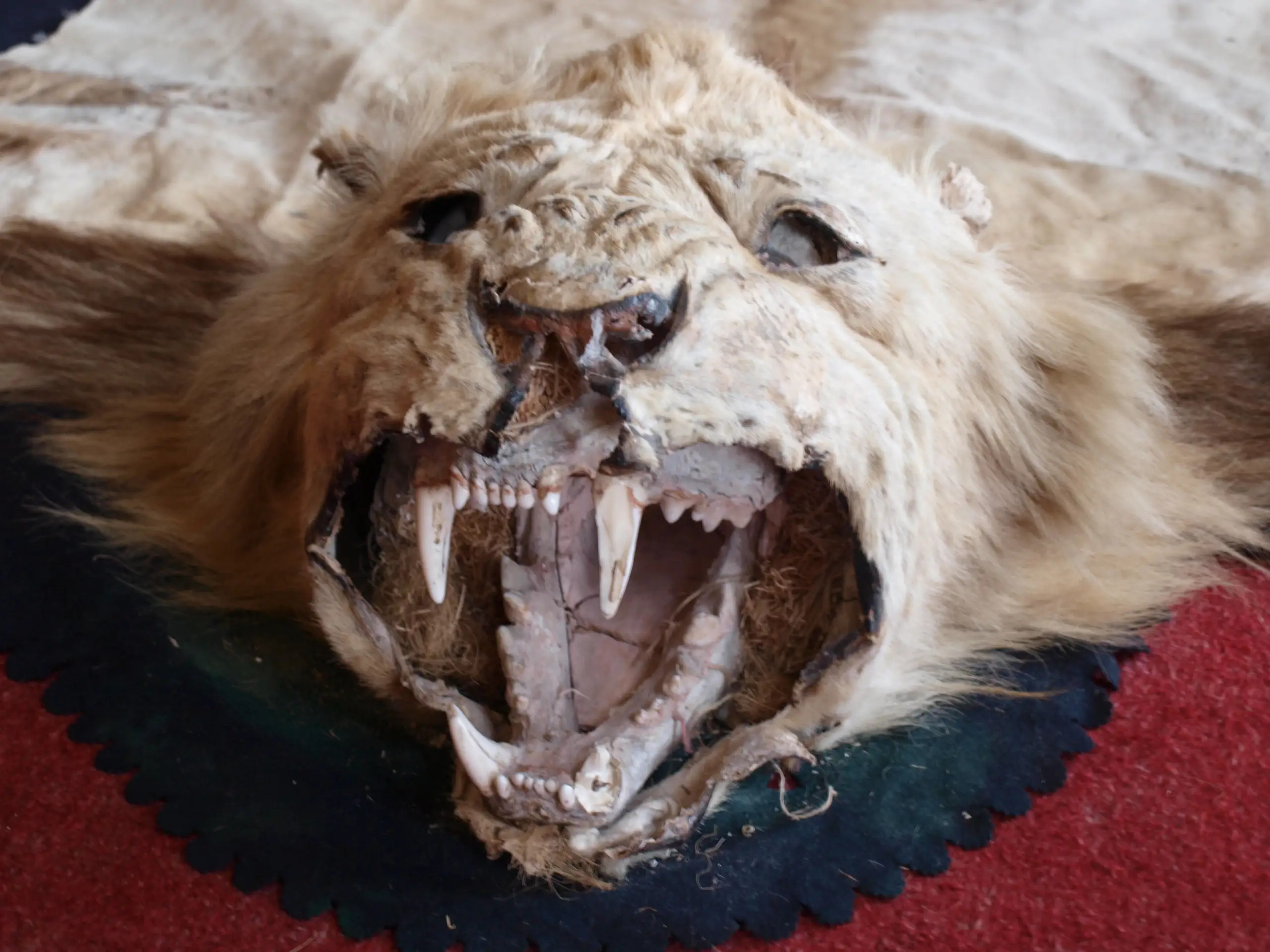
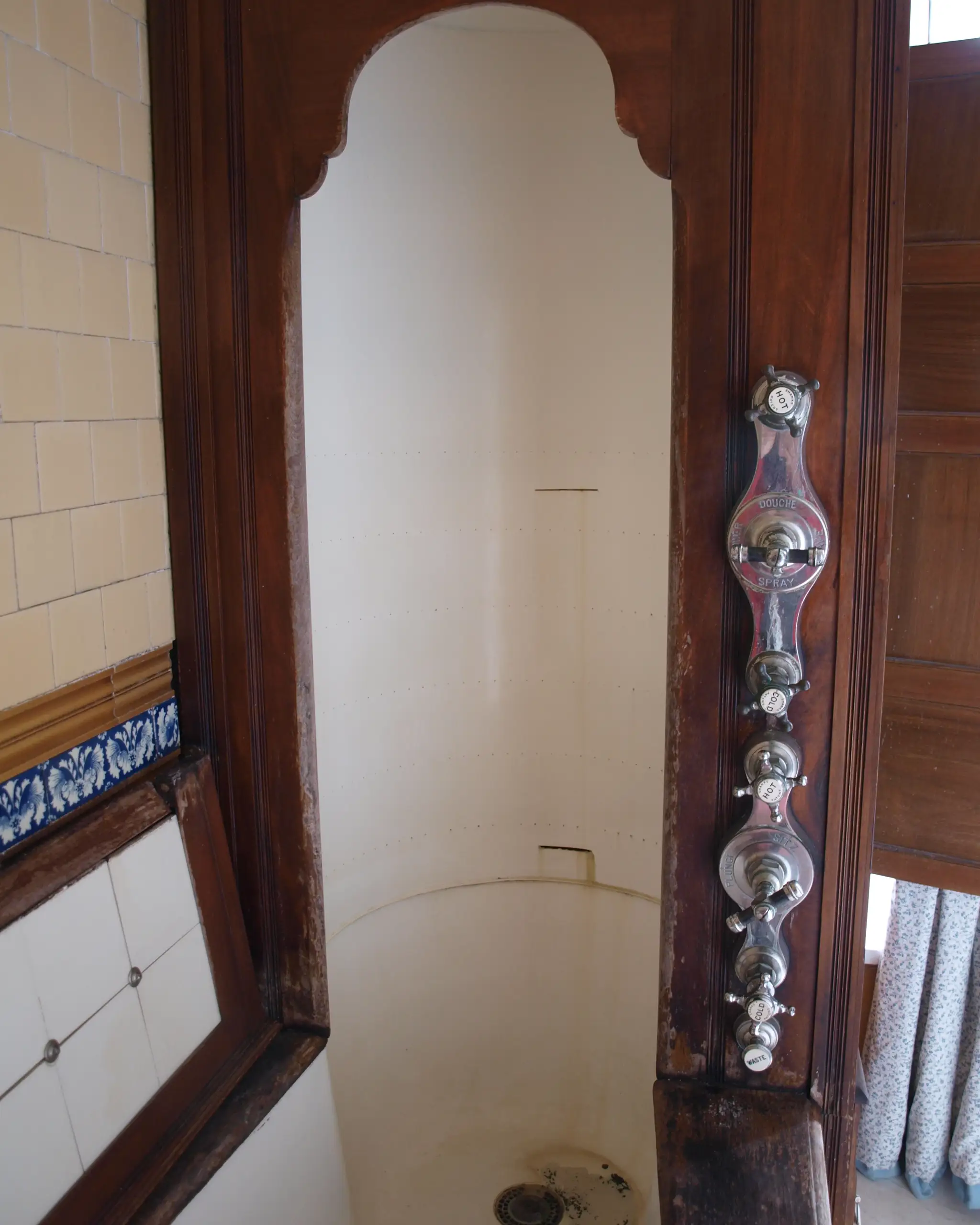
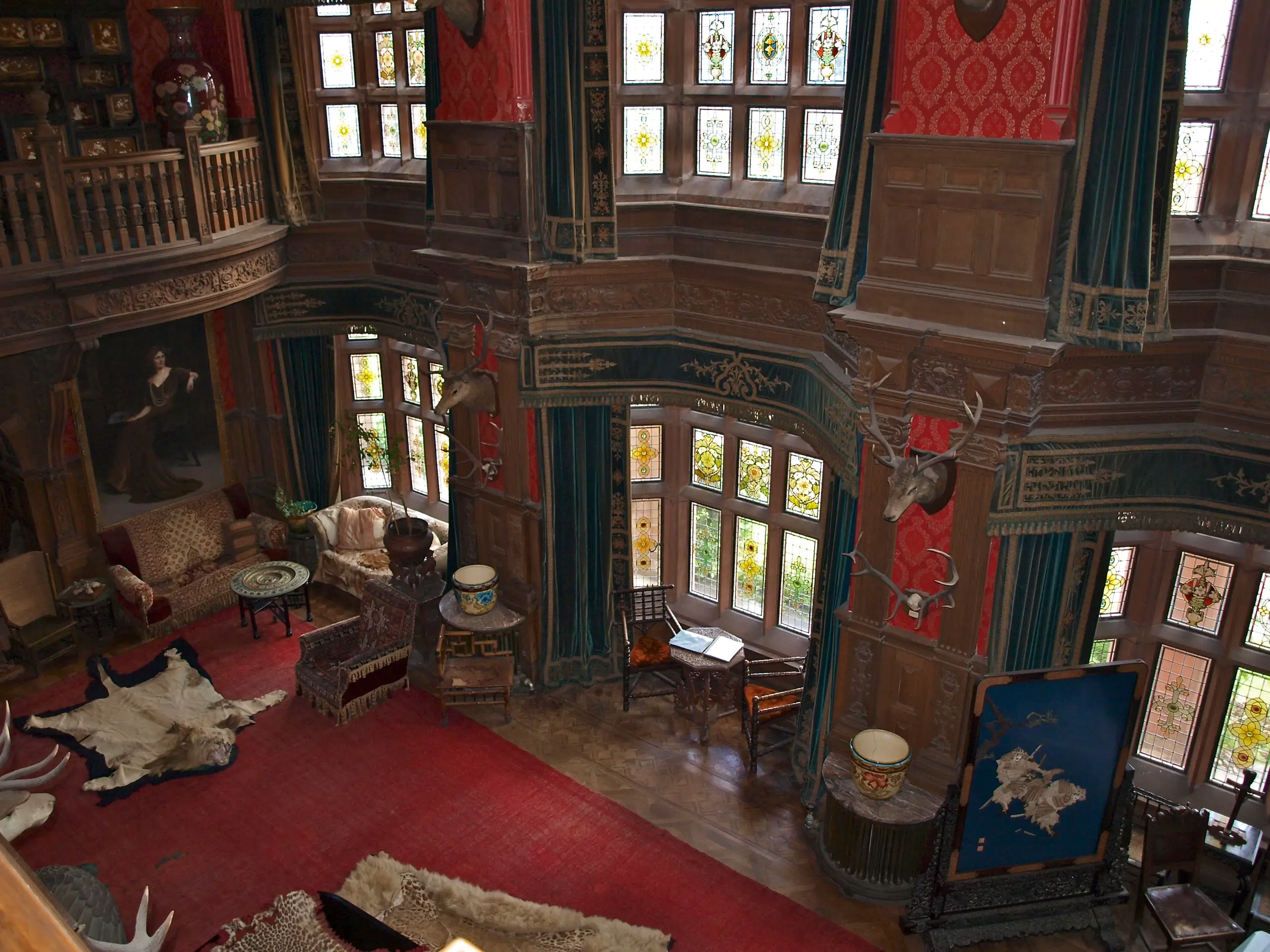
I have not surprisingly been thoroughly done over for my negative view of Rum by one of the long-term residents. So do please go there and judge for yourself, indeed you really must go there for the big, really big attraction before it falls completely to bits, an increasingly serious possibility. However, I fear it is still closed to the public. This is the bizarre and crumbling Kinloch Castle, bizarre more in its history and contents than in its structure which is neo-Tudor sandstone-dull. It was built at the very end of the 19th century by George Bullough who inherited the wealth of his father, a self-made Lancashire cotton magnate. Although it was only his 'home' for a few weeks every year he spent millions on it by today's standards to impress his hunting, shooting and fishing guests — and his French wife I should imagine too. Astonishingly, many of the original contents of the house are still there in an Edwardian time- warp, undisturbed since the family sold out, and seemingly just walked away in 1957. There is 100-plus-year-old furniture like the swivel chairs in the dining room, originally from Bullough's grand yacht the Rhouma; damask wall coverings gently mouldering; lion and leopard skin carpets; impressive showers with their array of taps and nozzles to direct water at, up or into whatever body part is desired; instruments left behind — it is said — by the musicians in the ballroom gallery; the full-sized billiard table with the rules framed on the wall beside it; the note-book with the list of injured treated on the Rhouma when she was used as a hospital ship during the Boer war; and the piece de resistance — the still-working orchestrion which was originally destined for Queen Victoria at Balmoral. To get a feel for the opulence and wastage of the posh Edwardians you can do no better than read 'Bare Feet and Tackety Boots' I mentioned earlier. Tours may or may not be available in 2025. When I once went the guide was a New Zealander which added to the bizarreness of the experience, but then I am not sure there are many Scots on the island anyway.
Sir George was not just a dilettante who spent his inheritance on frippery. For example he had the billiard room artificially ventilated to get rid of the cigar smoke, he built the hydroelectric dam which still powers the island today, he built a nine-hole golf course as well as heated turtle and alligator ponds, and he planted the deciduous woodland which is so pleasant to walk in, full of birdsong in the spring and early summer — including cuckoos. I have not tried, but presumably on a calm day one could anchor over on the southwest of the island to visit the Bullough family mausoleum.
Just after the castle had been built, CC Lynam's view was: "the new castle of Rum ... might be imposing on the banks of the Thames, but is utterly out of place at the foot of Halival and Askeval" (The Log of the ‘Blue Dragon’ 1892-1904. C C Lynam, AH Bullen, London, 1907). On the other hand John Betjeman saw the castle as the "stone embodiment of good King Edward's reign, a living memorial of the stalking, the fishing and the sailing, the tenantry and plenty of the days before 1914 and the collapse of the world" (Scotland’s Magazine, December 1959).
What the future holds for this building and its extraordinary contents is very unclear. In 2021 NatureScot put it on the market for £1, found a controversial buyer but he pulled out, and it is still not sold even though in 2025 it could be all yours for £750 000. Of course, many millions would be needed to restore it to anything like its former glory. But better than spending those millions on weapons of mass destruction which the UK seems so keen on, and aircraft-less aircraft carriers (HMS 'Unnecessary' and HMS 'Spare Part' as a friend calls them).
Finally, Rum features highly in a wonderfully dated - and rather dull derring-do novel by the well-known mountaineering writer W H Murray (Five Frontiers. J M Dent and Sons, 1959). This is not a patch on the very best derring-do sailing novel, the Riddle of the Sands but that was set a long way away in the Frisian Islands.